
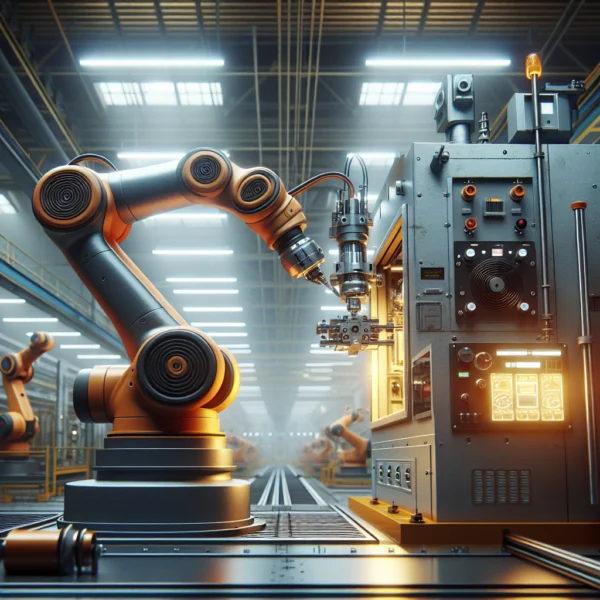
Cost Effective UR Techman Robot Retrofits for SME Automation
Small and Medium-sized Enterprises (SMEs) face increasing pressure. They must improve efficiency. They need to reduce costs. Automation is often the answer. However, the high cost of new automation systems can be prohibitive.
The SME Automation Challenge
Many SMEs operate with legacy equipment. These machines may be reliable. However, they lack modern automation features. Replacing entire production lines is expensive. It requires significant capital investment. It also disrupts operations.
Finding affordable solutions is crucial. SMEs need practical automation. They must achieve quick returns on investment. They often struggle with limited internal expertise. This makes implementation more challenging. The rise of collaborative robots offers a promising path forward.
Collaborative Robots: A Viable Solution
Collaborative robots (cobots) are designed to work alongside humans. They are safer and more flexible than traditional industrial robots. Universal Robots (UR) and Techman Robot (TM) are leading cobot manufacturers. Their robots are known for ease of use. They also offer relatively low cost of ownership.
Retrofitting existing equipment with UR or Techman robots can provide a cost-effective automation solution. It allows SMEs to enhance their existing infrastructure. They can improve productivity without massive capital outlays. Let’s explore how this can be achieved.
UR and Techman Robot Retrofitting: A Technical Overview
Retrofitting involves integrating a UR or Techman robot with existing machinery. This could include CNC machines, injection molding machines, or packaging equipment. The process typically involves several key steps. These steps require careful planning and execution.
First, a thorough assessment of the existing equipment is necessary. This identifies the specific tasks that can be automated. It also determines the robot’s reach and payload requirements. Safety considerations are paramount at this stage.
Essential Components for Retrofitting
The core components of a retrofitting project include the robot itself. End-of-arm tooling (EOAT) is also critical. This includes grippers, suction cups, or other specialized tools. Control systems and safety devices are essential too.
Communication interfaces are also vital. These enable the robot to communicate with the existing machinery. This could involve using digital I/O, Ethernet, or other communication protocols. Proper integration ensures seamless operation. It also minimizes downtime.
Cost-Effective Implementation Strategies
Several strategies can minimize the cost of retrofitting projects. Starting with a pilot project is wise. This allows SMEs to test the feasibility of automation. It also helps identify potential challenges before full-scale implementation.
Consider focusing on automating simple, repetitive tasks first. This provides quick wins. It also builds confidence in the automation solution. Examples include machine tending, pick and place, and basic assembly operations.
Choosing the Right Robot Model
Selecting the appropriate robot model is crucial. Over-specifying the robot can add unnecessary cost. Analyze the reach, payload, and precision requirements carefully. UR and Techman offer a range of models. Select one that best meets your specific needs. See the Universal Robots product overview here: https://www.universal-robots.com/products/
Used or refurbished robots can be a cost-effective option. Be sure to purchase from a reputable supplier. Check the robot’s history and condition carefully. Ensure that it comes with a warranty.
Software and Programming Considerations
User-friendly programming interfaces are essential. UR and Techman robots offer intuitive programming environments. This simplifies the programming process. It reduces the need for specialized programming skills.
Offline programming can further minimize downtime. This allows you to develop and test robot programs without interrupting production. Simulation software can help optimize robot movements. It also identifies potential collisions.
Utilizing Robot Simulation Tools
Robot simulation software allows engineers to visualize and test robot programs. This reduces the risk of errors during implementation. It can also help optimize robot trajectories. This leads to faster cycle times. Learn more about robot simulation: https://www.plm.automation.siemens.com/global/en/products/manufacturing-planning/robot-simulation.html
Consider using pre-built robot application kits. These kits provide ready-to-use solutions for common automation tasks. They can significantly reduce development time and cost.
Safety Integration: A Critical Aspect
Safety is paramount when integrating robots with existing machinery. Conduct a thorough risk assessment. Implement appropriate safety measures. These measures include light curtains, safety scanners, and emergency stop buttons.
Ensure that the robot and the existing machinery are properly guarded. Prevent unauthorized access to the robot’s workspace. Train employees on safe operating procedures.
Compliance with Safety Standards
Adhere to relevant safety standards. These include ISO 10218 and ISO/TS 15066. These standards provide guidance on safe robot integration. Document all safety measures and procedures. You should also conduct regular safety audits. Review Robotics safety standards here: https://www.iso.org/standard/56939.html
Consider using collaborative robots with built-in safety features. These robots are designed to work safely alongside humans. They automatically stop when they detect an obstacle.
Maintenance and Support
Develop a comprehensive maintenance plan for the robot. Regular maintenance will ensure reliable operation. It will also extend the robot’s lifespan. Provide adequate training for maintenance personnel.
Establish a relationship with a reliable robot supplier or integrator. They can provide technical support and spare parts. Consider purchasing a service contract. This provides ongoing maintenance and support.
Leveraging Open Source Resources
Explore open-source resources for robot programming and integration. The Robot Operating System (ROS) is a popular open-source framework. It provides a wide range of tools and libraries. These tools can simplify robot development and integration.
Online communities and forums can provide valuable support. You can find answers to common questions. You can also learn from the experiences of other users.
Conclusion
Retrofitting existing equipment with UR or Techman robots offers a cost-effective automation solution for SMEs. By carefully planning and executing the project, SMEs can improve productivity, reduce costs, and enhance their competitiveness. Focus on safety and proper integration. This maximizes the benefits of cobot automation. SMEs can achieve significant returns on investment. They can also drive innovation and growth.
🛠️ $5,000 Tool for your Cobot?
Why overspend? Turn hand tools you already own into precision cobot tools.
Our universal adapters let you mount standard grinders, sanders, and drills to your collaborative robot in minutes.
Leave a Reply