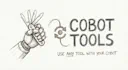

Retrofitting Hand Tools for Universal Robots: A Comprehensive Guide
Collaborative robots, or cobots, are revolutionizing manufacturing. Universal Robots (UR) is a leading cobot manufacturer. They offer flexibility and ease of use. This article explores retrofitting traditional hand tools for UR cobots. We’ll examine the challenges, solutions, and implementation strategies. This helps you integrate existing tools into your automated workflows.
The Problem: Integrating Existing Hand Tools with Cobots
Many factories already own a vast collection of hand tools. Replacing them entirely with specialized robotic tools is expensive. It also creates unnecessary waste. Retrofitting existing tools offers a cost-effective alternative. This approach allows you to leverage your current investment. It reduces the financial burden of automation.
However, adapting hand tools for cobots presents challenges. Hand tools are designed for human operation. They lack the interfaces needed for robotic control. Issues like force feedback, precision, and tool changing must be addressed. Proper retrofitting requires careful planning and execution.
The Need for Custom End-Effectors
Hand tools usually need custom end-effectors. End-effectors are the robotic hands. They hold and manipulate the tool. Designing the correct end-effector is crucial. It ensures proper tool grip and alignment. This also allows the cobot to apply the necessary force. The end-effector must also consider safety measures. These protect the robot and the surrounding environment.
Technical Solutions and Emerging Trends
Several technical solutions exist for retrofitting hand tools. The best approach depends on the tool and application. This section explores common methods and emerging trends.
Custom End-Effector Design and Manufacturing
Custom end-effectors are often 3D-printed or CNC-machined. These technologies allow for complex geometries. This ensures a precise fit and optimal performance. Consider using lightweight materials like aluminum or polymers. This minimizes the cobot’s payload. Payloads are the maximum weight the robot can carry. Reduced payloads improve robot performance and safety.
Advanced designs incorporate force sensors. These sensors provide feedback to the cobot controller. This allows for precise force control. It prevents damage to the tool or workpiece. Real-time adjustments can be made based on sensor data.
Adding Automation Features to Hand Tools
Some hand tools can be modified directly. Adding pneumatic or electric actuators automates their operation. For example, a manual clamp can be converted to a pneumatic clamp. This allows the cobot to open and close the clamp automatically. Such modifications require careful integration with the cobot’s control system.
Tool Changing Systems
Tool changing systems are essential for flexible automation. They enable the cobot to switch between different tools automatically. This increases the robot’s versatility. It allows it to perform a wider range of tasks. Common tool changing systems use pneumatic or electric locking mechanisms. These are controlled by the cobot.
Utilizing Robot Operating System (ROS)
ROS (Robot Operating System) is an open-source framework. It simplifies robot programming and integration. ROS provides tools for controlling the cobot. It handles sensor data and manages communication. ROS also supports various programming languages. This makes it easier to integrate custom tools and software.
Implementation Advice: A Step-by-Step Guide
Successfully retrofitting hand tools requires a systematic approach. Here’s a step-by-step guide to help you through the process.
1. Assess Your Needs and Requirements
Identify the specific hand tools you want to retrofit. Define the tasks you want the cobot to perform. Consider the accuracy, speed, and force requirements. Analyze the existing workflow. Determine how the cobot will integrate into the process. This assessment will guide your design and implementation efforts.
2. Select the Right End-Effector
Choose an end-effector that is compatible with your cobot and tool. Consider factors like weight, size, and gripping mechanism. If necessary, design a custom end-effector. This ensures a secure and precise fit. Ensure the end-effector can withstand the forces involved in the operation.
3. Integrate Sensors and Actuators
Add sensors to provide feedback on tool position, force, and orientation. Integrate actuators to automate tool operation. Use appropriate wiring and connectors. Ensure they are compatible with the cobot’s control system. Protect the wiring from damage. Consider using cable management systems.
4. Program the Cobot
Develop a program that controls the cobot and the tool. Use the cobot’s programming interface or ROS. Define the robot’s movements, tool actions, and sensor feedback. Test the program thoroughly. Ensure it performs the desired tasks accurately and safely.
5. Test and Refine the System
Test the integrated system in a controlled environment. Monitor the cobot’s performance, tool operation, and sensor feedback. Make adjustments to the program and hardware as needed. Optimize the system for speed, accuracy, and reliability. Repeat the testing process until you achieve satisfactory results.
6. Safety Considerations
Safety is paramount when working with cobots. Implement safety measures to protect workers and equipment. Use safety scanners to detect obstacles in the robot’s path. Program the cobot to stop or slow down when an obstacle is detected. Conduct a thorough risk assessment. Ensure the system meets all relevant safety standards. Proper training is crucial for all personnel working with the cobot. Understand the cobot’s capabilities and limitations. Learn how to operate the system safely. Regularly inspect the system for any signs of wear or damage. Address any issues promptly.
Specific Tool Examples and Retrofitting Tips
Screwdrivers: Utilize electric screwdrivers with torque control. Mount them securely on the cobot’s end-effector. Monitor torque feedback to ensure proper screw tightening.
Pliers/Cutters: Use pneumatic actuators to control the jaws. Synchronize the actuator with the cobot’s movement. This ensures precise cutting or gripping.
Sanders: Add a vacuum system to remove dust. This creates a cleaner and safer work environment. Control sanding pressure using force sensors.
Conclusion: Embracing Cobot-Assisted Automation
Retrofitting hand tools for Universal Robots is a viable strategy. It enables manufacturers to automate existing processes. This increases efficiency and reduces costs. By following the steps outlined in this article, you can successfully integrate hand tools into your cobot workflows. This unlocks the full potential of collaborative automation. Remember to prioritize safety and continuous improvement. This ensures a smooth and effective transition.
Consider exploring the Universal Robots website for further information and resources: Universal Robots. Also, check out resources like Robotiq: Robotiq and Schunk: Schunk for end-effector solutions and other automation components.
🛠️ $5,000 Tool for your Cobot?
Why overspend? Turn hand tools you already own into precision cobot tools.
Our universal adapters let you mount standard grinders, sanders, and drills to your collaborative robot in minutes.
Leave a Reply